Gaming Apocalypse: The Industry Just Shifted.
Introduction
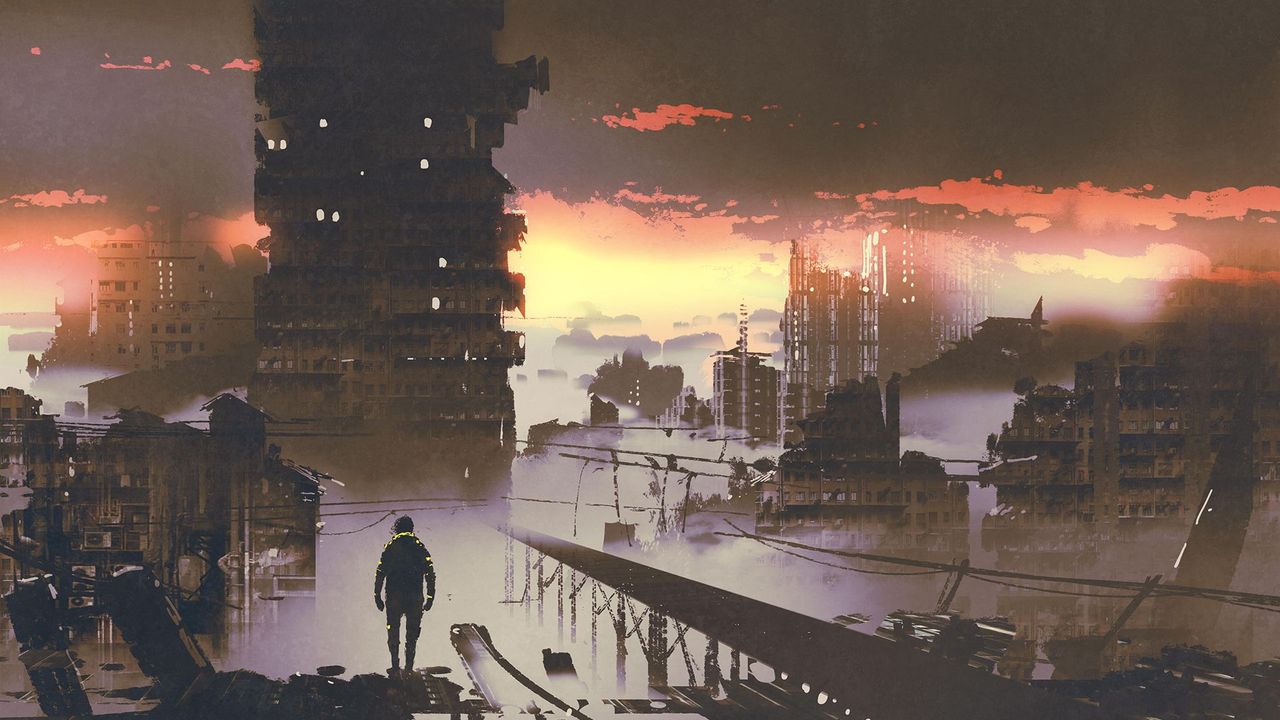
Okay, gamers, industry veterans, and curious onlookers, let’s be honest. Something feels… different, right? Like the ground beneath the gaming world is trembling. It’s not quite a “Game Over” screen flashing across our collective vision, but it’s definitely time to acknowledge that the landscape we know and love is undergoing a seismic shift. We’re calling it the Gaming Apocalypse, not because the industry is ending, but because the old ways are, and from the ashes, something new is being forged.
This isn’t some dramatic doomsaying. This is about acknowledging the convergence of several forces that are fundamentally altering how games are made, distributed, consumed, and even what they *are*. We’re talking about everything from AI development tools empowering solo creators, to subscription services redefining ownership, and the ever-growing dominance of mobile gaming. Buckle up, because this is a ride.
The Tectonic Plates are Shifting: What’s Causing This Apocalypse?
Several factors are contributing to this shake-up. Let’s break down some of the most impactful:
- The AI Uprising: Artificial intelligence is no longer a futuristic fantasy. AI-powered tools are already assisting developers with tasks ranging from asset creation to procedural generation. This democratizes game development, allowing smaller teams and even solo developers to achieve results previously only possible with massive budgets. Think of it like this: imagine having a tireless assistant who can generate level designs, create character animations, or even write dialogue options. That’s the power AI is bringing to the table.
- Subscription Services: The Netflix-ification of Gaming: Game Pass, PlayStation Plus, and other subscription services are changing how we access games. Instead of buying individual titles, players pay a monthly fee for access to a library of content. This model benefits players with access to a wider range of games, but it also impacts developers’ revenue streams and incentivizes different types of game design focused on long-term engagement.
- Mobile Gaming’s Reign: Mobile gaming has exploded in popularity, becoming the dominant force in the industry. Its accessibility, lower price point, and wide audience appeal have made it a lucrative market for developers. This has led to a shift in focus, with many companies prioritizing mobile development over traditional PC or console games.
- The Metaverse Question Mark: The metaverse, with its promise of interconnected virtual worlds and immersive experiences, holds enormous potential for the gaming industry. However, its future remains uncertain. While some companies are betting big on the metaverse, others are taking a more cautious approach. Whether it becomes the next big thing or a passing fad remains to be seen, but its potential impact on gaming is undeniable.
Short-Term Tremors: What Are We Feeling Now?
In the immediate future, we’re seeing several noticeable effects:
- Indie Boom 2.0: AI tools are empowering independent developers to create richer, more polished games than ever before. This influx of indie titles is providing players with more diverse and innovative gaming experiences. We’re seeing games that push the boundaries of genre conventions and tackle complex themes with a level of creativity that’s truly inspiring. Think of games like *Disco Elysium* and *Hades,* examples of independent games that have disrupted and redefined the gaming experience.
- Increased Competition: The influx of new games, coupled with the rise of subscription services, is creating a more competitive marketplace. Developers need to work harder than ever to stand out from the crowd and capture players’ attention.This increased competition can be a good thing, driving innovation and leading to higher-quality games. But it also puts pressure on smaller developers, who may struggle to compete with the marketing budgets of larger studios.
- Shifting Development Paradigms: Studios are experimenting with new development techniques, incorporating AI tools into their workflows. This is leading to faster development cycles, lower costs, and the ability to create more ambitious games.This shift can be exciting, but it also raises concerns about job displacement. As AI automates certain tasks, some developers may find their skills less in demand.
Long-Term Aftershocks: The Future of Gaming
Looking further down the line, the Gaming Apocalypse could lead to some significant changes:
- The Rise of the Solo Developer: AI could empower individuals to create entire games on their own, blurring the line between hobbyist and professional developer. Imagine a future where anyone with a passion for gaming can bring their vision to life, without needing to rely on a large team or significant funding.
- Hyper-Personalized Gaming Experiences: AI could be used to create dynamic, personalized gaming experiences that adapt to individual players’ preferences and skill levels. Games could become more challenging or easier depending on the player’s performance, or even adjust the story and characters based on their choices.
- The Blurring Lines Between Games and Reality: The metaverse and augmented reality technologies could further blur the lines between games and reality, creating immersive experiences that are indistinguishable from real life. Imagine playing a game that overlays virtual elements onto the real world, or participating in a virtual event that feels just as real as attending a concert in person.
- A Focus on Engagement Over Ownership: Subscription services could become the dominant model for game distribution, leading to a focus on long-term engagement and retention. Developers would need to create games that keep players coming back for more, rather than simply selling them a one-time experience.
Surviving the Apocalypse: Practical Solutions
So, how do we navigate this changing landscape? Here are some practical solutions for developers and gamers alike:
- Embrace AI, Don’t Fear It: Developers should explore how AI tools can enhance their workflows and allow them to create more ambitious games with fewer resources. This means getting hands-on with AI software, experimenting with different applications, and identifying ways to integrate it into the development process.Example: A small indie studio could use AI-powered tools to generate concept art, create character animations, or even prototype level designs.
- Diversify Revenue Streams: Developers should explore alternative revenue models beyond traditional game sales, such as subscription services, in-game purchases, and crowdfunding. This helps to reduce reliance on any single source of income and provides greater financial stability.Example: A developer could release their game on Steam, but also offer a subscription service that provides access to exclusive content and early access to future updates.
- Focus on Community Building: Building a strong community around your game is crucial for long-term success. Engage with players on social media, listen to their feedback, and create opportunities for them to connect with each other.Example: A developer could host regular live streams on Twitch, where they play their game, answer questions from viewers, and showcase upcoming features.
- Adapt and Evolve: The gaming industry is constantly evolving, so it’s important to stay adaptable and be willing to embrace new technologies and trends. This means keeping an eye on emerging technologies like AI and the metaverse, and being willing to experiment with new game design concepts and business models.Example: A developer could experiment with creating a game that integrates with the metaverse, allowing players to interact with the game world in a virtual reality environment.
- Gamers, Be Open to New Experiences: Subscription services and indie games offer incredible value and variety. Step outside your comfort zone and try something new!
Alternative Approaches:
- For Indie Devs: Prioritize unique game mechanics or narratives that AI can’t easily replicate.
- For AAA Studios: Invest in research and development of AI tools tailored to your specific needs.
- For Players: Support developers who are pushing boundaries and creating innovative gaming experiences.
The New Dawn:
The Gaming Apocalypse isn’t an end, but a beginning. It’s a chance to rebuild, to innovate, and to create a gaming industry that is more diverse, accessible, and exciting than ever before. By embracing new technologies, diversifying revenue streams, and focusing on community building, we can navigate this changing landscape and create a brighter future for gaming. It’s time to level up. The game has changed, and it’s time to play. So, get out there, experiment, create, and most importantly, have fun! The future of gaming is in our hands, and it’s looking brighter than ever.