Level Up Humanity: How Gaming Is Rewriting Our Future
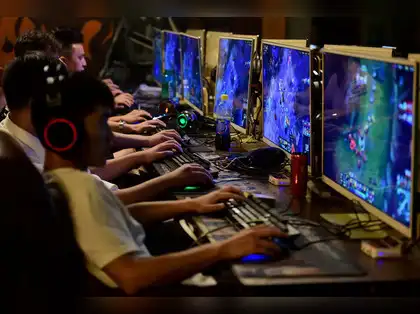
Remember the days when “gamer” conjured images of socially awkward teenagers glued to screens in dimly lit rooms? Well, those days are long gone. Gaming isn’t just a pastime anymore; it’s a powerful force reshaping everything from education and healthcare to career development and even our understanding of what it means to be human. Think of it as humanity pressing the “start” button on a whole new level of potential.
But before we get carried away with visions of world domination (the friendly kind, of course!), let’s explore the real impact gaming is having right now, and the even bigger waves it’s poised to make in the future.
The Controller is Mightier Than You Think: Short-Term Wins
The immediate benefits of gaming are more tangible than you might expect. It’s not just about blasting aliens or building virtual empires.
- Cognitive Calisthenics: Forget Sudoku. Studies have consistently shown that gaming enhances cognitive skills like reaction time, problem-solving, and spatial reasoning. Action games, in particular, demand split-second decisions and strategic thinking, sharpening the mind in ways that passive entertainment simply can’t. Think of it as mental CrossFit.
- Skills That Pay the Bills: Gaming fosters collaboration and teamwork, particularly in multiplayer environments. Players learn to communicate effectively, strategize together, and rely on each other to achieve shared goals. These are highly sought-after skills in today’s collaborative workplaces. In fact, some companies are even using games as part of their recruitment process to assess candidates’ teamwork and problem-solving abilities.
- Therapeutic Power-Ups: Gaming isn’t just fun; it can also be therapeutic. Games are being used to help children with ADHD improve their focus, assist stroke patients in regaining motor skills, and even provide relief from anxiety and depression. The immersive nature of games can be a powerful distraction from pain and stress, offering a sense of accomplishment and control.
- Education Reimagined: Bored with textbooks? Games are revolutionizing education by making learning interactive and engaging. History comes alive in strategy games, while science concepts are reinforced through simulations. Games can cater to different learning styles, making education more accessible and effective. Imagine learning about ancient Rome by actually building a virtual city – that’s the power of gamified learning.
Beyond the Pixels: The Long Game
While the short-term benefits campaquilasyrup.com are impressive, the long-term implications of gaming are truly transformative.
- Democratizing Skills Development: The traditional education system isn’t always accessible or affordable for everyone. Gaming offers an alternative pathway for developing valuable skills. Open-source games and readily available modding tools allow individuals to learn coding, design, and other technical skills without formal training. This democratization of skills development can help bridge the opportunity gap and empower individuals from diverse backgrounds.
- Training the Workforce of Tomorrow: As industries evolve, so too must the workforce. Gaming simulations are becoming increasingly sophisticated, providing realistic training environments for professionals in fields like medicine, engineering, and even military operations. These simulations allow trainees to practice complex procedures and make critical decisions in a safe and controlled environment, reducing the risk of errors and improving performance.
- Tackling Global Challenges: Imagine using games to simulate the effects of climate change, model disease outbreaks, or even design more efficient transportation systems. Gaming can provide a powerful platform for exploring complex global challenges and developing innovative solutions. By visualizing data and engaging stakeholders in interactive simulations, we can foster a deeper understanding of these issues and inspire collective action.
- Redefining Reality: The lines between the physical and virtual worlds are becoming increasingly blurred. Augmented reality (AR) and virtual reality (VR) technologies are transforming the gaming landscape, creating immersive experiences that blend seamlessly with our everyday lives. This has implications far beyond entertainment, from enhancing remote collaboration to providing virtual travel experiences and revolutionizing healthcare.
Leveling Up: Practical Solutions for a Game-Changing Future
So, how can we harness the power of gaming to truly level up humanity? Here are a few practical solutions:
- Embrace Gamified Learning: Encourage the integration of games into education at all levels. Support teachers and educators in developing and implementing gamified curricula. Explore online learning platforms that utilize game mechanics to enhance engagement and motivation.
- Example: Consider using Minecraft: Education Edition to teach subjects like history, math, and coding in a fun and interactive way.
- Develop Serious Games: Invest in the development of games that address real-world problems, such as climate change, healthcare, and poverty. Create games that raise awareness, educate the public, and inspire action.
- Example: “Foldit” is a protein-folding game that allows players to contribute to scientific research by solving complex protein structures.
- Promote eSports as a Career Path: Recognize eSports as a legitimate career path and provide support for aspiring professional gamers. Invest in training programs, scholarships, and other resources to help talented individuals develop their skills and pursue their dreams.
- Example: Universities are increasingly offering eSports scholarships and building dedicated gaming facilities, recognizing the growing popularity and legitimacy of eSports.
- Design Inclusive and Accessible Games: Ensure that games are accessible to people of all abilities. Implement accessibility features such as adjustable difficulty settings, customizable controls, and audio descriptions. Create games that celebrate diversity and promote inclusivity.
- Example: The Xbox Adaptive Controller allows gamers with disabilities to customize their gaming experience and play on an equal footing with other players.
- Foster Critical Thinking and Digital Literacy: Encourage players to think critically about the games they play and the messages they convey. Promote digital literacy skills to help individuals navigate the online world safely and responsibly.
- Example: Parents and educators can use games as a starting point for discussions about ethical issues, social responsibility, and online safety.
- Explore Alternative Game Designs: Consider the power of game design to create alternative gaming experiences and foster empathy. Game design can be used to simulate real-world experiences and improve players’ understanding of sensitive topics.
- Example: Games can be designed to simulate the experiences of refugees and help players understand some of their challenges.
Your Quest Begins Now: Embracing the Power of Play
Gaming is more than just entertainment; it’s a powerful tool that can be used to improve our lives, solve complex problems, and create a better future. By embracing the potential of gaming and working together to develop innovative solutions, we can level up humanity and unlock a world of possibilities.
It’s time to pick up the controller, not just to play, but to actively shape the future. The game is on. Are you ready to play?