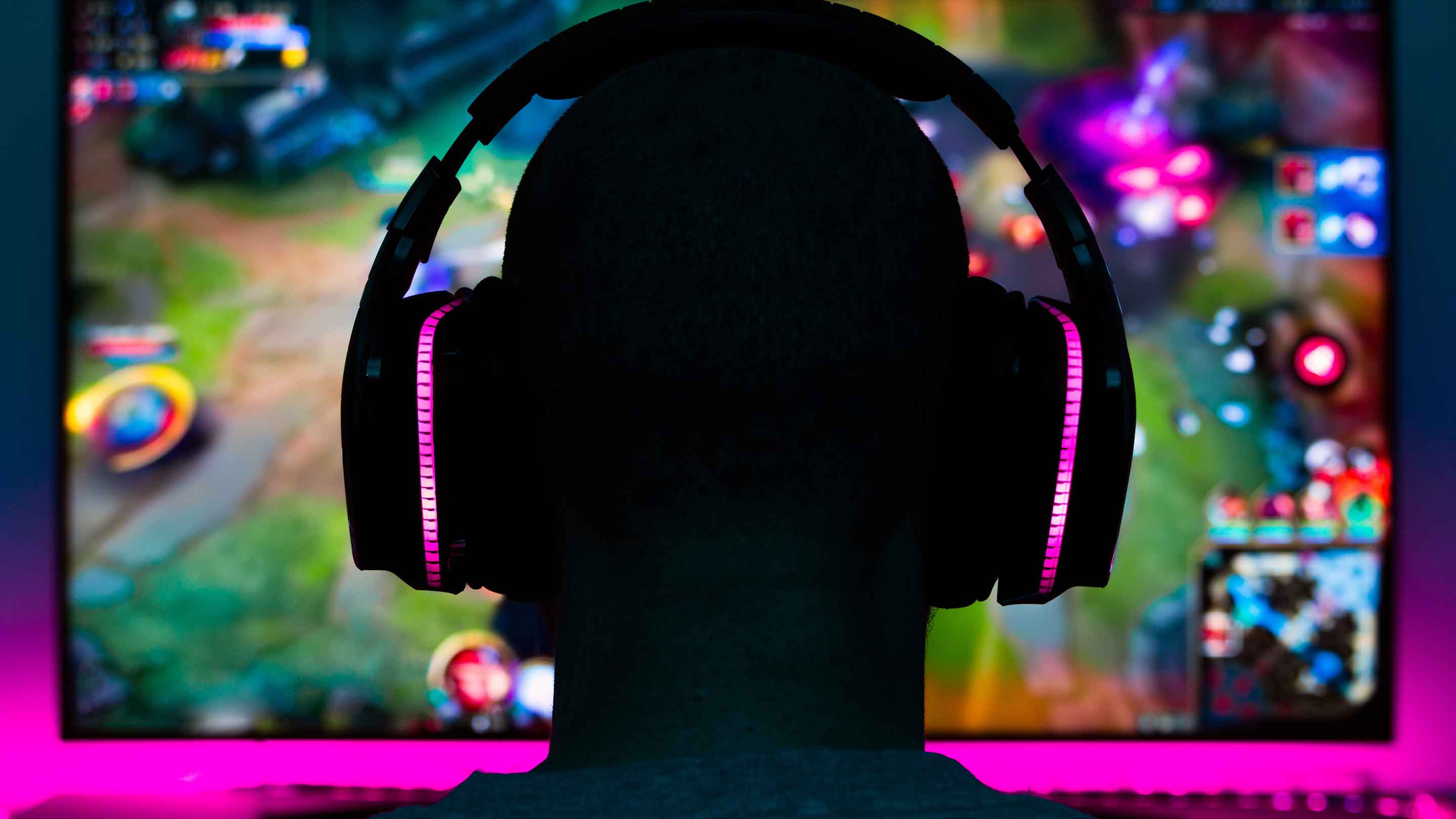
LEVEL UP OR LOG OUT: Video Games Are Re-Shaping Reality
Introduction
Remember the days when video games were considered a mindless pastime, a way to kill time on a rainy afternoon? Those days are long gone. Today, video games aren’t just entertainment; they’re a cultural force, an economic powerhouse, and a rapidly evolving influence that’s blurring the lines between the digital and the real. Whether you’re a seasoned gamer, a curious observer, or a concerned parent, the fact is, video games are reshaping reality, and it’s time we understand how.
Think about it. We’re not just talking about pixelated plumbers anymore. We’re talking about immersive worlds, complex narratives, and communities that span continents. We’re talking about eSports tournaments filling stadiums, and virtual economies that rival real-world markets. And while the fun and excitement are undeniable, this rapid integration of video games into our lives presents both incredible opportunities and potential pitfalls. The question is: are we leveling up to meet this new reality, or are we logging out, leaving ourselves behind?
The Short Game: Immediate Impacts We’re Already Seeing
The immediate influence of video games is palpable. Let’s break down some key areas:
- Cognitive Enhancement:Contrary to old stereotypes, many studies show video games, particularly strategy and puzzle games, can improve cognitive skills like problem-solving, spatial reasoning, and reaction time. Games like “StarCraft II” demand strategic thinking and quick decision-making under pressure, skills transferable to various real-world scenarios.
- Social Connection:Online multiplayer games provide platforms for building communities and forging friendships. Games like “Fortnite” or “Minecraft” aren’t just about shooting or building; they’re about collaborating, strategizing, and sharing experiences with others. For some, especially those struggling with social anxiety in real life, these virtual connections can be a vital lifeline.
- Education and Training:The gamification of learning is revolutionizing education. From language learning apps like “Duolingo” to simulations used in medical training, the engaging nature of games makes learning more effective and enjoyable. Flight simulators, for instance, offer realistic training environments for aspiring pilots, preparing them for the challenges of real-world aviation.
- Mental Health:The impact of games on mental health is a double-edged sword. While some games offer therapeutic benefits, like reducing stress and promoting relaxation, excessive gaming can lead to addiction, anxiety, and social isolation. The World Health Organization even recognizes “gaming disorder” as a mental health condition.
The Long Game: Long-Term Trends and Potential Transformations
Looking ahead, the influence of video games promises to be even more profound, shaping our society in ways we can only begin to imagine.
- The Metaverse and Virtual Economies:The rise of the metaverse, a shared virtual world, is fueled by the foundations laid by video games. Imagine a future where you can work, socialize, and even conduct business entirely within a virtual environment. Games like “Second Life” have already offered glimpses into this future, and companies like Meta are investing heavily in making this vision a reality. With this comes the evolution of virtual economies, where digital assets have real-world value. The buying, selling, and trading of virtual items, land, and even avatars is becoming increasingly common.
- New Career Paths:The gaming industry is a massive employer, offering opportunities for developers, designers, artists, and marketers. But the impact goes beyond the industry itself. eSports athletes, streamers, and content creators are building lucrative careers by sharing their gaming experiences with others. These new career paths require a unique blend of skills, including technical expertise, creativity, and entrepreneurial spirit.
- Shifting Social Norms:Video games are influencing our social norms and values. The inclusive nature of many online gaming communities is promoting diversity and challenging traditional stereotypes. Games are also exploring complex social issues, such as war, poverty, and inequality, prompting players to reflect on these themes in a new light.
Leveling Up: Practical Solutions for Navigating the New Reality
So, how do we ensure that video games enhance our lives and society, rather than detract from them? Here are some practical solutions:
- Promote Balanced Gaming Habits:
- Set time limits:Establish clear boundaries for gaming, balancing it with other activities like schoolwork, exercise, and social interaction.
- Encourage offline activities:Prioritize real-world experiences, like spending time with family and friends, pursuing hobbies, and exploring the outdoors.
- Lead by example:Parents should model healthy technology habits, showing children how to use technology responsibly.
- Foster Critical Thinking:
- Discuss game content:Engage in conversations about the themes, messages, and potential biases presented in video games.
- Encourage media literacy:Teach children how to evaluate information critically and identify misinformation.
- Promote diverse perspectives:Encourage children to explore different viewpoints and challenge their own assumptions.
- Harness the Educational Potential:
- Identify educational games:Explore games that promote learning and skill development, such as puzzle games, strategy games, and simulation games.
- Integrate games into learning:Use games as a tool for teaching and reinforcing concepts in the classroom and at home.
- Support game-based learning initiatives:Advocate for the integration of games into educational programs.
- Address Mental Health Concerns:
- Recognize the signs of gaming disorder:Be aware of the symptoms of excessive gaming, such as neglecting responsibilities, social isolation, and withdrawal symptoms.
- Seek professional help:If you or someone you know is struggling with gaming addiction, seek help from a qualified therapist or counselor.
- Promote mental health awareness:Reduce the stigma associated with mental health issues and encourage open conversations about well-being.
- Shape the Metaverse Responsibly:
- Advocate for ethical guidelines:Support the development of ethical guidelines for the metaverse, ensuring that it is safe, inclusive, and equitable.
- Promote digital literacy:Educate users about the potential risks and opportunities of the metaverse, empowering them to navigate it responsibly.
- Invest in research and development:Support research into the social, economic, and psychological impacts of the metaverse.
Alternative Approaches:
- Family Gaming Contracts:Create a written agreement between parents and children outlining expectations for gaming time, content, and responsible use.
- Gaming Communities with Moderation:Seek out online gaming communities that have strong moderation policies and promote positive interactions.
- Mindfulness and Meditation:Practice mindfulness and meditation techniques to manage stress and develop self-awareness, which can help reduce the risk of gaming addiction.
Level Up Together: Embracing the Future of Games
The rise of video games as a cultural and economic force is undeniable. While the challenges are real, the opportunities are even greater. By adopting a proactive and informed approach, we can harness the power of video games to enhance our lives, foster creativity, and build a better future. The choice is ours: will we level up and embrace the potential of this new reality, or will we log out and miss out on the adventure? The game is on, and it’s time to play our part. Let’s choose to level up, together!